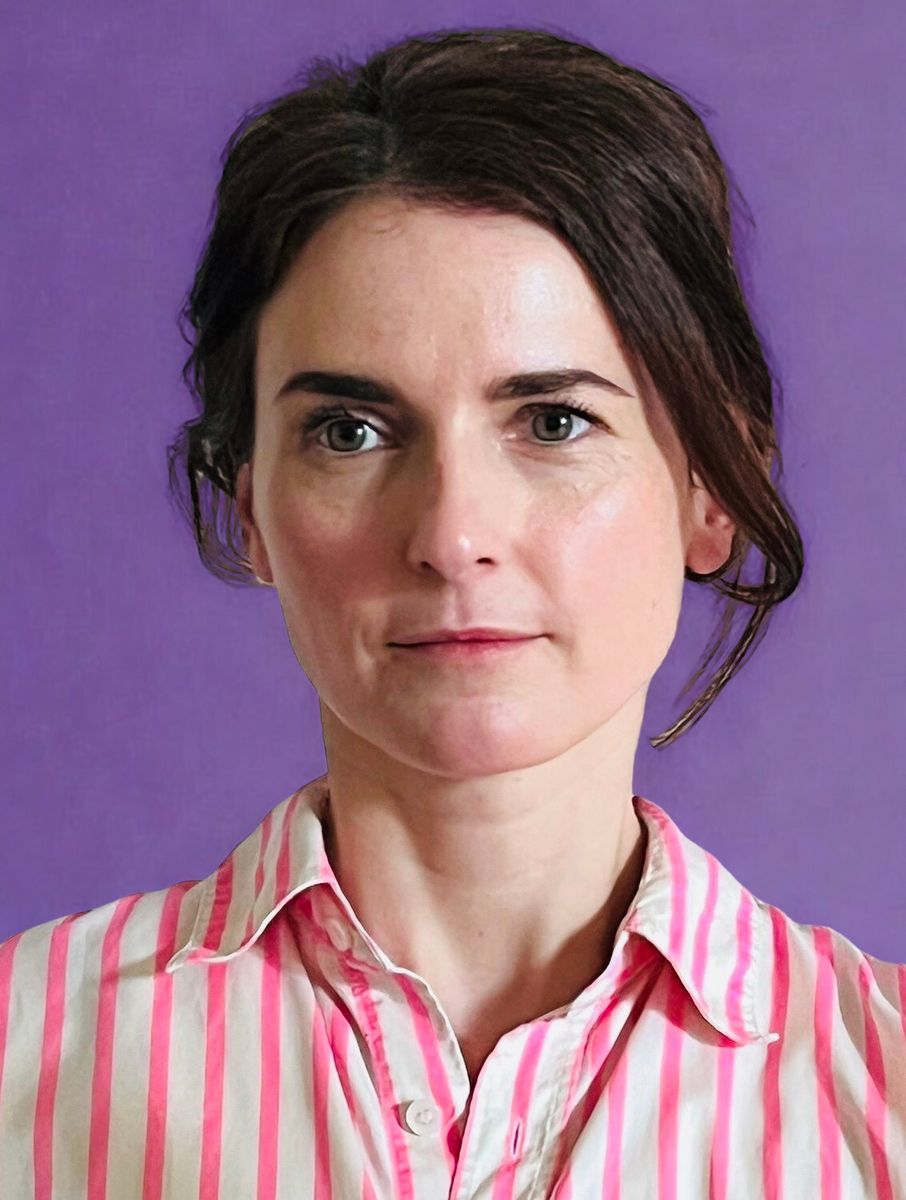

Good Thursday afternoon!
It’s Christin again, your bioeconomy enthusiast, and it’s time for some bioeconomy reading! Here’s a quick roundup of the stories, developments and discussions that shaped the field this summer.
One more thing: There's a personal announcement waiting for you in this issue's Signal. I won't give it away just yet, but if you usually skim to the end, this is one you'll want to read all the way through.
TOP STORY
Kenya has launched its National Bioeconomy Strategy for 2026–2036. The strategy aims to mobilize KSh100 billion (about US$775 million) in investments to transform biological resources, agricultural waste, and research into higher-value products, businesses, and jobs. Prime Cabinet Secretary Musalia Mudavadi unveiled the strategy on August 25.
The strategy seeks to transition Kenya from exporting raw agricultural commodities to creating local value in sectors such as agriculture, manufacturing, health, energy, and biotechnology. Examples range from converting banana waste into fibers and sanitary products to commercializing research.
Kenya is the fourth African country with a national bioeconomy strategy, after South Africa, Namibia, and Ethiopia. This development also builds on regional momentum; the East African Community (EAC) adopted its regional bioeconomy strategy in 2022. (capitalfm)
THIS WEEK IN THE BIOECONOMY
🇨🇱
The Tarapacá Region of Chile held its first sectoral workshop on bioeconomy and agriculture as part of the “Guidelines for a Bioeconomy Strategy” project, led by the Núcleo de Biotecnología Curauma at the Pontificia Universidad Católica de Valparaíso (PUCV). The workshop aimed to gather stakeholder input and develop a regional strategy focused on innovation, the sustainable use of biological resources, and value creation. Next steps include refining the regional baseline, conducting sector-specific analyses, and developing a portfolio of concrete bioeconomy projects. (Diario El Nortino)
🇨🇴
The FAO Colombia Bioeconomy Strategic Plan for the Colombian Amazon (PEBAC 2030) is a roadmap that promotes the socio-bioeconomy as a means of achieving sustainable growth, conserving biodiversity, and improving livelihoods in the Amazon region. The plan incorporates six guiding principles and 14 action lines. It focuses on creating more local value from biodiversity, strengthening the participation of communities and indigenous peoples, and ensuring the fair distribution of economic benefits, all while contributing to Colombia’s climate targets and transitioning toward a carbon-neutral economy. (Rafael Aramendis via LinkedIn)
🇪🇨
Ecuador is advancing a Bioeconomy Law aimed at transforming its biodiversity into higher-value products through science and innovation. The proposal aims to streamline regulations, improve access to genetic resources, strengthen technology transfer, and introduce regulatory sandboxes. The bill is still going through the parliamentary process, with committee discussions in the National Assembly marking the first step towards its potential adoption. (BioEconomia.info)
The Ecuadorian government has launched its Sustainable Forest Strategy 2026–2050, which provides a long-term framework for conserving and restoring forests while promoting the bioeconomy, innovation, and investment. (Government of Ecuador)
🇪🇺
The EU’s Bioeconomy Strategy could boost growth, job creation, innovation, and the transition away from fossil resources. However, a new territorial impact assessment warns that these benefits may be unevenly distributed. Regions with robust industrial capacity, skilled workers, innovative ecosystems, and effective governance are best positioned to attract high-value activities. In contrast, biomass-rich rural and peripheral areas risk becoming suppliers of low-value raw materials. Therefore, the report calls for a place-based rollout that strengthens local processing and value chains, skills, administrative capacity, interregional cooperation, and sustainability safeguards. (European Committee of the Regions)
On July 7, the European Commission adopted its first-ever Livestock Strategy, which aims to keep Europe’s livestock sector strong and resilient in the face of economic, environmental, and market challenges. The Commission also adopted a Protein Action Plan, which aims to increase the share of EU-produced protein from oilseeds and protein crops used in animal feed from 25.8% to 35% by 2035. It focuses on boosting domestic production, strengthening value chains, diversifying imports, improving the efficiency of livestock and feed, implementing demand-side measures, and promoting research and innovation. Member states would have greater scope to support legumes through Common Agricultural Policy (CAP) instruments, while the Commission also highlights algae, insects, fermentation and other alternative protein sources, with fermentation presented as a complementary route to a more resilient and strategic European agri-food system. (European Commission, bioökonomie.de)
🇩🇪
The Ulm region in Germany has secured over €100,000 in funding from the state of Baden-Württemberg for the NABINNU project (“Sustainable Urban Bioeconomy in the Ulm Innovation Region”). The project aims to develop a regional circular bioeconomy strategy to replace fossil and finite resources with renewable resources and by promoting recycling and more efficient use of biomass, all while creating new regional value chains. (Innovationsregion Ulm)
🇮🇳
India has launched a national roadmap titled "Building India as a Leading Bioeconomy Powerhouse by 2035." Developed by the Department of Biotechnology (DBT) and unveiled by Union Minister of Science and Technology Jitendra Singh, the roadmap sets out plans to expand the country’s bioeconomy to nearly $700 billion by 2035. This expansion will be driven by innovation-led biomanufacturing, precision healthcare, sustainable agriculture, and AI-enabled biology. Alongside the roadmap, Singh announced India’s first undergraduate engineering biology program. This program aims to develop a skilled workforce at the intersection of engineering, biology, medicine, and emerging technologies. (DD News)
🇯🇵
On July 14, Japan published its Integrated Innovation Strategy 2026, an annual strategy that is part of the country’s 7th Science, Technology, and Innovation Basic Plan for 2026–2030. The strategy outlines priority measures for translating research into industrial competitiveness, economic security, and national strength. Of its 17 priority technology fields, the Bio & Healthcare field is explicitly linked to Japan’s 2024 Bioeconomy Strategy. The government aims to expand the bioeconomy market and accelerate commercialization by strengthening regional "bio communities". The strategy places a significant emphasis on biomanufacturing, including integrating AI and digital technologies, developing next-generation synthetic biology, creating advanced biomanufacturing platforms, and establishing domestic supply chains for feedstocks and production equipment. (Cabinet Office, Government of Japan)
On July 21, Japan adopted its new Growth Strategy, identifying 17 strategic sectors for coordinated public-private investment aimed at strengthening economic growth, competitiveness, and security. From a bioeconomy perspective, the most relevant areas are synthetic biology and biotechnology, food technology, and resources, and energy security, with additional links to advanced medicine and other sectors. The biotech pillar focuses on biomanufacturing, including using biological processes for industrial production, integrating fermentation expertise with AI, data, and automation, and developing biopharmaceuticals and regenerative medicine. The Food Tech pillar targets plant factories, land-based aquaculture, food machinery, and new foods. (Cabinet Secretariat)
🇳🇬
Nigeria’s Federal Executive Council has approved the revised National Biotechnology Policy 2026, which establishes a national framework for the development, regulation, and commercialisation of biotechnology. The policy aims to strengthen Nigeria’s competitiveness in the global bioeconomy, attract investment, improve food and nutritional security, and promote sustainable economic growth. (ISAAA AfriCenter)
🇴🇲
Oman is finalizing its National Biotechnology Strategy, which prioritizes red, green, and white biotechnology. The strategy identifies 12 short-term investment and implementation opportunities under the Eleventh Five-Year Development Plan. The final draft will be submitted to the Council of Ministers for approval. (Oman News Agency)
🇸🇦 🇦🇪
Saudi Arabia and the UAE are accelerating their efforts to develop a domestic bioeconomy by shifting investment in genomics, diagnostics, biomanufacturing and biofuels from research and venture funding to commercial-scale infrastructure. Backed by sovereign wealth funds and national industrial strategies, this initiative aims to reduce reliance on imported pharmaceuticals and technology, strengthen health and energy security, and create high-skilled jobs, with the ultimate goal of developing export industries. (Fast Company Middle East)
🇺🇸
Despite earlier recommendations and stakeholder support, the U.S. government dropped plans to introduce North American Industry Classification System (NAICS) codes specific to the bioeconomy. As a result, sectors such as biobased plastics, biofuels, biogas, and precision fermentation will remain difficult to distinguish from conventional industries in official economic statistics. This complicates efforts to measure the bioeconomy's growth and economic contribution. (Gregory Jaffe via LinkedIn)
The White House's July "Science: A New Golden Age" report positions itself not merely as a science policy review but as the "map" for President Trump's vision of a "Golden Age of American Innovation," with biotechnology assigned horizontal strategic importance. The accompanying FY2028 R&D priorities memo explicitly calls for prioritizing foundational biological sciences to advance biotechnology and biomanufacturing. The memo also directs manufacturing R&D toward building domestic manufacturing capacity and supply chains across strategic technologies, including biotechnology. (The White House)
Cross-border
The FAO Committee on Agriculture (COAG30) strengthened the global mandate for a sustainable bioeconomy by encouraging increased support for countries and emphasizing the FAO's mandate to propose a voluntary, harmonized, and measurable set of internationally comparable yet nationally adaptable bioeconomy indicators. This initiative follows the recommendations of the COP30 Bioeconomy Challenge. (Lev Neretin via LinkedIn)
The first globally negotiated Global Plan of Action for Sustainable Livestock Transformation was approved by FAO members. This voluntary framework features 17 strategic priorities and 85 actions to make livestock systems more sustainable. It focuses on food security and nutrition, inclusive livelihoods, animal health, One Health, climate, natural resources, and biodiversity. (UN FAO)
GEOPOLITICS & BIOECONOMY
A recent report by the U.S. think tank Carnegie Endowment for International Peace (CEIP) examines the strategic competition between China and the U.S., as well as its allies, in biomanufacturing. This competition extends beyond pharmaceuticals to include food, chemicals, materials, fuels, fertilizers, and critical minerals. The report maps competitive advantages across the biomanufacturing stack, from research and development (R&D) to upstream production and downstream processing. The analysis highlights short-term dependencies on critical consumable inputs, including China’s strong position in amino acids and vitamins and Western dominance in specialized chromatography resins, as well as longer-term dependencies on infrastructure, equipment, and manufacturing know-how. These findings underscore an emerging policy challenge: As biomanufacturing expands into industrial-scale applications, bioeconomy competitiveness becomes increasingly dependent on industrial capacity, resilient supply chains, and cooperation, rather than technological leadership alone. (CEIP)
FROM THE LITERATURE
A new study has developed a skills taxonomy for Ireland’s circular bioeconomy. The study identified core cross-sector capabilities in systems thinking, sustainability, circularity, biotechnology, and digital skills. This framework can assist policymakers in aligning education and training, addressing skill gaps, and coordinating workforce development across sectors. (MDPI)
A new study in Colombia’s Caquetá region introduces the OEMAIP tool. This participatory framework assesses the organizational effectiveness of multi-actor innovation platforms that promote agroecology and the bioeconomy. The authors argue that evaluating such platforms should examine not only participation numbers, but also how effectively they mobilize resources, make inclusive decisions, engage externally, and generate meaningful change. (frontiers)
A systematic review of 114 studies found that the development of a sustainable bioeconomy depends on hybrid, multi-level governance, with key governance elements that are closely interdependent. The authors call for stronger policy coordination and the establishment of permanent participation forums that bring together governments, businesses, local communities, civil society, researchers, producers, consumers, and resource users. They also call for greater attention to equity and the fair distribution of benefits. (MDPI)
In a new report, the U.S.-based nonprofit policy research organization RAND proposes a “defense-in-depth” strategy to address emerging biosecurity risks from AI-enabled biotechnology. The strategy calls for layered safeguards across AI systems, DNA synthesis, biological materials, and threat detection, as well as greater information sharing between technology companies, biotech providers, and governments. (RAND)
EVENT RECAP
In July, stakeholders from government, academia, business, indigenous communities, and international organisations gathered at Panama’s second National Bioeconomy Forum to discuss priorities and partnerships for the country’s emerging bioeconomy agenda. The event also saw the launch of REDBIO Panamá, the national chapter of Latin America’s biotechnology network. Panama is currently developing a National Bioeconomy Strategy for 2026–2040, which aims to harness the country’s biodiversity through science, biotechnology, and innovation in order to drive sustainable economic, social, and environmental development. (La Web de la Salud)
THE SIGNAL
The bioeconomy needs a story about the future – and people need to see themselves in it.
Two discussions from over the summer have stayed with me.
The first was about what will follow the UN Agenda 2030. Axel Berger and Sven Grimm from IDOS recently argued that creating another set of global goals might not be the most challenging aspect. In a world shaped by geopolitical tensions, economic uncertainty, and a decline in trust in multilateral cooperation, reaching an agreement on a new global agenda will be challenging enough. However, an even deeper challenge remains: what positive narrative will inspire countries to cooperate in the first place International cooperation cannot be based solely on crisis, sacrifice and threat. It requires a compelling vision of a future worth striving for.
This made me wonder: Could the bioeconomy be part of that story?
An increasing number of countries are developing strategies for the bioeconomy. However, national strategies alone will not create a sustainable global bioeconomy. Biomass, supply chains, knowledge, intellectual property, environmental impacts and markets all cross borders. Without cooperation, the emerging bioeconomy could simply reproduce old inequalities and create new dependencies.
At its core, the bioeconomy is therefore an invitation to cooperate. It connects agriculture and industry, science and entrepreneurship, climate and health, and cities and rural regions. It forces us to leave our silos behind.
Who is the protagonist?
The second discussion was sparked by a comment from Anca Petre from MedShake Studio about storytelling in biotechnology. She argued that biotech does not necessarily lack stories. In fact, there are already many powerful stories (patients, diseases, healing, life, you name it…) but they are often told in a language that is mainly understood by the industry itself.
I think the challenge for the bioeconomy goes even further. The bioeconomy does not have just a storytelling problem. It has a protagonist problem. Who is the main character? The farmer? The scientist? Or the fermentation engineer? The founder? The patient? The family? The region?
Perhaps we are telling the story from the wrong perspective.
What about the automotive engineer who starts developing bio-based materials? Or the farmer who becomes part of a new regional value chain? Or the entrepreneur establishing a fermentation company? Or the mayor looking for a new economic future for a former coal region? Or the student wondering what kind of economy she will be working in twenty years from now?
People rarely identify with abstract transition pathways. They ask much simpler questions: Where am I in this future? Will I still be needed? Will my life and that of my children be better? Do I want to help build this?
From managing decline to building something
Germany is an interesting example. Much of the current debate focuses on what is going wrong: industrial decline, weak growth, a lack of technology transfer, demographic change, job losses, rising costs, and international competition. These problems are real. However, constantly describing what we are losing does not necessarily create the confidence needed to build something new.
Perhaps we need to talk more about what could come next. The emergence of a new generation of industry does not have to mean abandoning the old one. Germany's industrial capabilities, engineering expertise, Mittelstand, skilled workforce and regional value chains will not suddenly become obsolete. They can form the basis of something new.
The same applies elsewhere. Transformation becomes much more tangible when it is presented not as replacing everything that exists, but as building on existing strengths and providing new tools, technologies and opportunities.
As I said, many governments have already published bioeconomy strategies. But how many people outside our community know what these strategies could mean for their lives? This may be a missing piece of the puzzle.
What do we want to build?
The UN Agenda 2030 has done a great job of articulating what we need to protect and the problems we need to solve. Perhaps the next conversation also needs to ask: what do we want to build together?
A gap has emerged between today's crisis narratives and tomorrow's technology narratives. We talk extensively about what is going wrong and enthusiastically about the potential benefits of new technologies. But we talk much less about what a desirable society and economy built with these technologies might actually look like.
The bioeconomy could provide a fascinating lens through which to explore this question – not as the answer to the world's challenges, but as a possible building block for a prosperous, resilient, sustainable and cooperative future.
Perhaps someone should try to write that narrative.
Not another strategy. Not another action plan. A story about what life in a bioeconomy could look like and why people might want to be part of it.
The more I thought about it, the more it turned back on me. If the bioeconomy requires new spaces for discovering, connecting, and telling such stories, what role could Bioeconomy Snap play? Could it become one of those places?
So over the summer, I have been considering whether Bioeconomy Snap could become a platform for publicly developing such a narrative. Rather than publishing a finished work, the idea would be developed step by step, chapter by chapter, with people invited to challenge it, contribute to it and help build it.
However, there is one practical challenge.
Bioeconomy Snap started as an experiment: to see whether there was value in bringing together developments from an increasingly fragmented global bioeconomy. I still believe there is, probably more than when I started.
But the experiment has also shown me what it takes to do this properly. The end product you see in your inbox is the result of a much larger research and editorial process. This process involves continuously monitoring developments across countries and sectors, going back to original sources to assess their relevance, and distilling them into the developments you see in each issue. The Signal takes this process further by bringing together multiple sources and perspectives to explore the bigger picture: what connects the developments, what patterns may be emerging, and what they could mean for the bioeconomy.
AI has become a valuable part of this process, particularly for summarizing and structuring information across languages. However, it does not replace the judgment involved in deciding what is relevant, verifying sources, connecting developments, and interpreting their meaning. Even with AI support, producing Bioeconomy Snap remains a substantial research and editorial undertaking.
What started as an experiment has therefore grown into something more substantial. And I have reached the point where I need to decide what the next chapter of this work could look like.
So for now, this will be the last regular issue of Bioeconomy Snap.
This does not mean that I have lost interest in the work. Quite the opposite, in fact. I still see considerable potential in what Bioeconomy Snap has become and what it could become next.
What that could look like is deliberately open. If this is a question you find interesting too, I would enjoy hearing from you.
Perhaps there is a next chapter for Bioeconomy Snap. After all, if we need new stories about where the bioeconomy could take us beyond 2030, then we also need places where those stories can be discovered, connected and told.